Tell us about the job
Takes about a minute. No obligation.

A contractor called out to repair a water heater here starts with what the unit has been running against, because that shapes everything from the parts they pull to what they quote. 211 severe weather events were recorded in Pulaski County, Kentucky between 2015 and 2024. At that rate, severe weather is a standing condition in this county, and its cumulative load on a water heater shows up in specific places: sediment buildup accelerates, pressure relief valves cycle harder, and connections that handle thermal stress start to fatigue. A component that looks worn out on inspection often is, but a contractor in this county checks whether the load drove that wear before calling it an age failure.
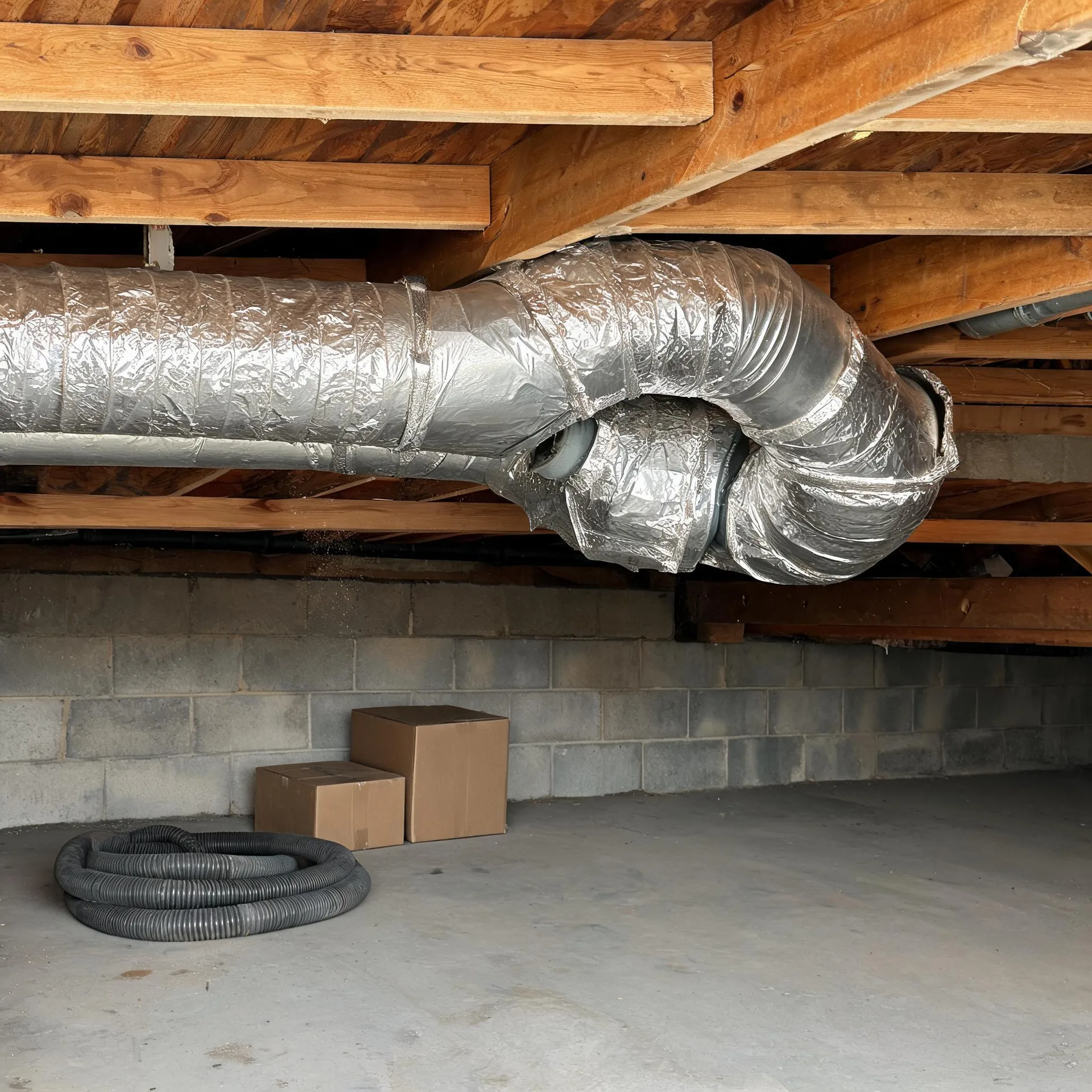
Sediment layers thick enough to insulate a tank floor from its burner, anode rods long past their useful life, and pressure relief valves that have not moved in years are what a contractor finds once a water heater is opened in much of this county. Half the homes in Pulaski County, Kentucky were built in 1986 or earlier (2020-2024 ACS 5-year). Housing that old has put water heaters through enough heating cycles that the condition of the internal components tells the story of the repair, not the model label on the outside. A contractor working here checks what the tank has accumulated and whether the parts a unit of that vintage still accepts are available before quoting anything.
The Parts of a Water Heater a Contractor Checks During Repair
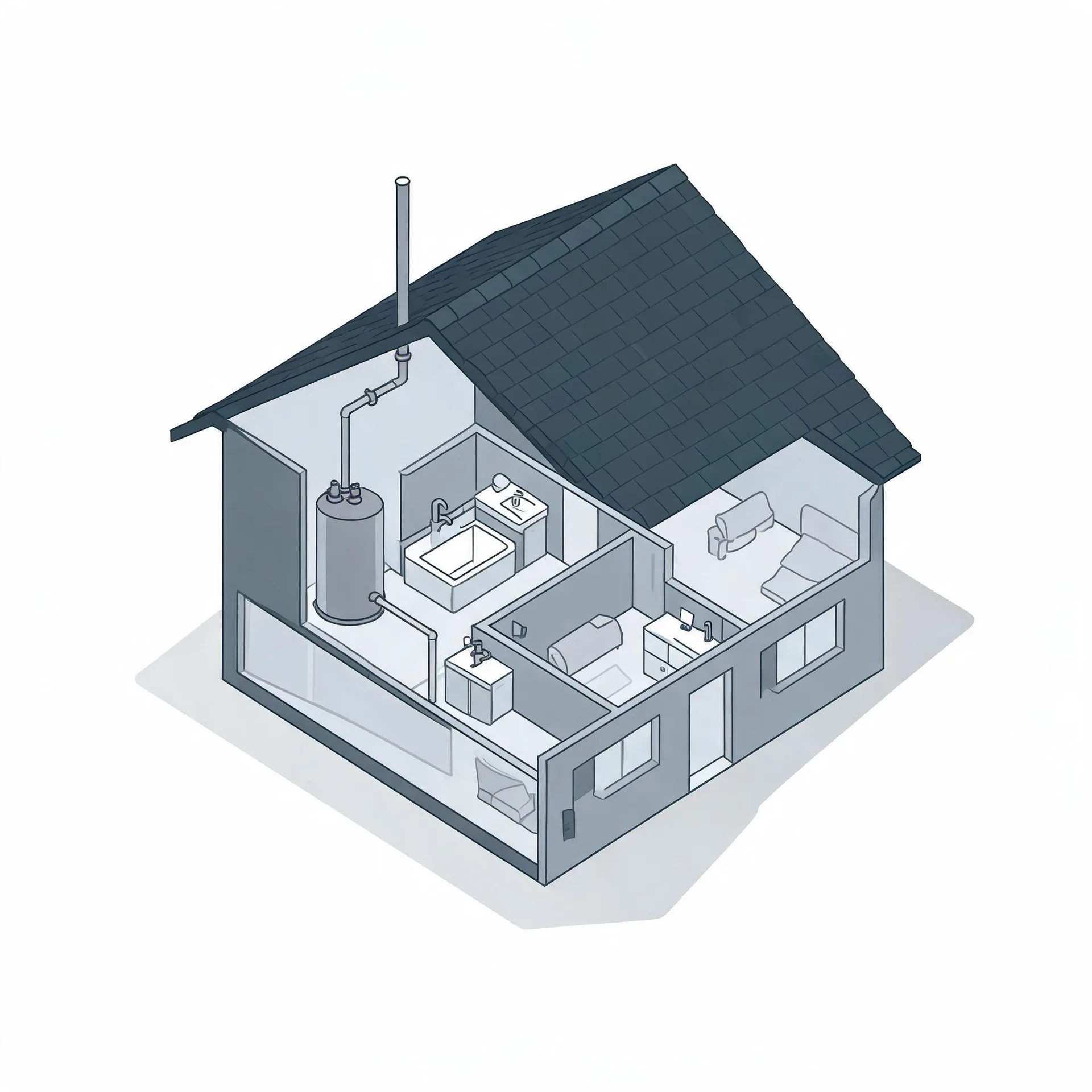
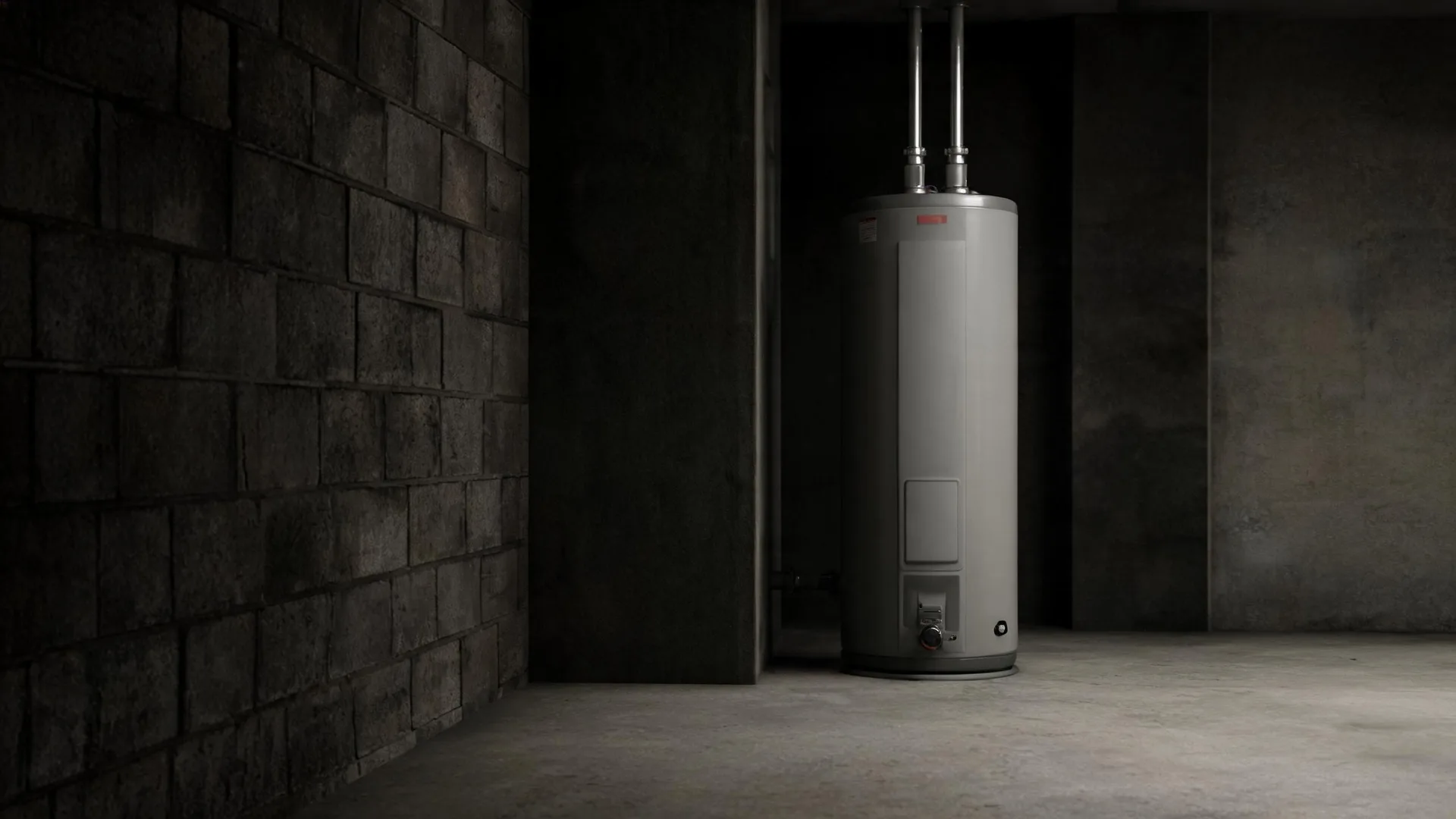
The tank is what most homeowners see first, a large insulated cylinder standing in a utility room, basement, or garage. Inside it, a burner or heating element raises the water temperature and a thermostat tells it when to stop. When either of those fails, the water runs cold or never stops heating.
The pressure relief valve sits on the side of the tank and opens if pressure builds past a safe point. A dip tube carries cold water down into the tank so it heats from the bottom, and an anode rod runs through the interior to slow corrosion. Any of these can be the piece a contractor goes straight to when the symptoms point that way.
The drawing shows a general layout of a water heater system, and a licensed contractor determines what applies to the specific unit and installation in your home.
Get matched in Pulaski CountyPulaski County by the Numbers
211 severe weather events were recorded in Pulaski County, Kentucky between 2015 and 2024.
NOAA National Centers for Environmental Information, Storm Events Database, bulk CSV export, events 2015-01-01 through 2024-12-31.Half the homes in Pulaski County, Kentucky were built in 1986 or earlier (2020-2024 ACS 5-year).
U.S. Census Bureau, 2020-2024 American Community Survey 5-Year EstimatesPulaski County, Kentucky holds 31,722 housing units (2020-2024 ACS 5-year).
U.S. Census Bureau, 2020-2024 American Community Survey 5-Year EstimatesOwners occupy 72.5% of the occupied homes in Pulaski County, Kentucky (2020-2024 ACS 5-year).
U.S. Census Bureau, 2020-2024 American Community Survey 5-Year EstimatesWater Heater Repair Rules & Codes for Pulaski County, Kentucky1 sourced standards and regulations
Licensing Rules for HVAC Repair in Pulaski County, Kentucky
Kentucky requires a licence to practise heating, ventilation and air conditioning contracting: a person may not do the work unless they have met the state licensing requirements.
Severe Weather Events in Pulaski County
Extreme weather puts water heaters under stress, accelerating wear on tanks, connections, and relief valves. How much of that load lands on equipment in Pulaski County shapes what repair work looks like here.
211 severe weather events, 2015–2024. Source: NOAA National Centers for Environmental Information, Storm Events Database.